
High-Ticket Travel Niches for UK Agents: Where the Money Is
Which travel niches pay most per booking in the UK? Compare expedition cruise, luxury, adventure and more, plus how to pick one and the rules to check.
The travel niches that pay most per booking are the ones where one sale is worth thousands of pounds: expedition cruises, luxury and ultra-luxury trips, touring and adventure, luxury short-haul, and honeymoons and destination weddings. The best niche for you is the one where a high booking value meets an audience you can actually reach and a subject you can talk about with real authority. This guide compares the main options with UK figures, then shows how to choose and what to check before you sell.
TL;DR
- High-ticket means a high value per booking, not a glamorous label. UK trade data points to expedition cruise, luxury, touring and adventure, and luxury short-haul as strong examples.
- Commission rate matters as much as price: a 20% rate on a £6,000 expedition cruise is £1,200, and the rate you keep depends on how you sell.
- Pick a niche by testing three things: booking value, your access to an audience, and your depth of knowledge.
- Selling trips in the UK means checking package travel rules and, for flight-inclusive trips, ATOL protection before you take a single booking.
- A white-label model lets you build your own brand in a niche without building the licensing infrastructure yourself.
Table of Contents
- What makes a travel niche high-ticket
- The main high-ticket travel niches
- How the niches compare
- How to choose your niche
- Perspective
- What to check before you sell high-ticket trips
- Start your own branded travel business
- FAQ
- Sources
What makes a travel niche high-ticket
A high-ticket niche is a part of the market where the typical booking is large, the customer is willing to pay for advice, and the trip is complicated enough that a specialist adds real value. Three things tend to go together.
Booking value. A £600 city break and a £6,000 expedition voyage can take a similar amount of your time to arrange. The second pays far more, even at the same percentage.
Complexity. Multi-stop itineraries, remote destinations, special occasions and group travel all reward someone who knows the suppliers. Clients pay for that knowledge because a mistake is expensive.
Client behaviour. Affluent travellers often hand the planning to someone else. Carrier’s research found that 90% of its high-value clients used a travel advisor, and that time-poor tech and IT workers are more likely to outsource trip planning.
That last point matters for you. The clients with the largest budgets are often the ones with the least time, which is exactly where a personal, branded service fits.
The main high-ticket travel niches
Expedition cruises
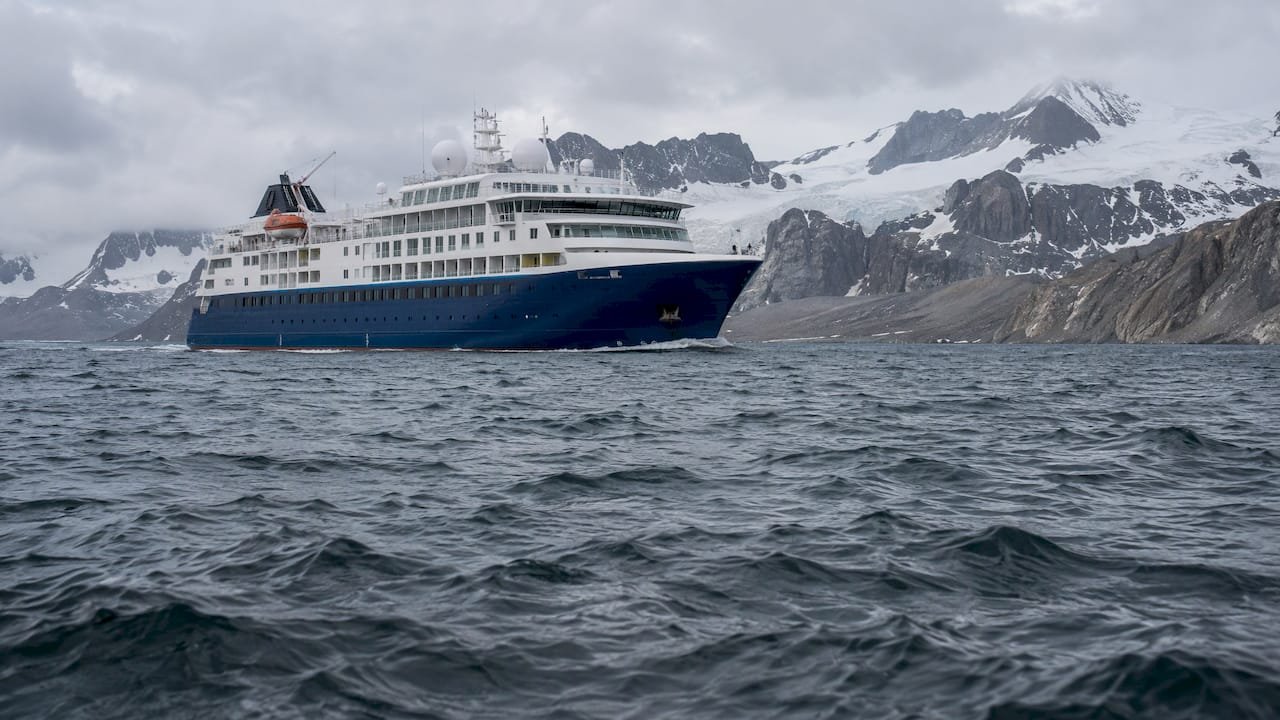
Expedition cruising covers polar, wildlife and remote-coast voyages, and the numbers are large. Operators reported that 90% of bookings excluding flights are priced at £6,000, and 30% of bookings with flights exceed £10,000 per person. The same report says trade professionals can earn a 20% commission rate on expedition sales, which means £1,200 on a £6,000 booking.
The customer is typically a repeat traveller who has already done mainstream cruising or land-based trips. If you want to understand how cruise earnings work in practice, our guides on cruise agent commissions and wholesale cruise rates break down what reaches your pocket.
Luxury and ultra-luxury travel
Luxury is the most obvious high-ticket niche, and demand at the top end is growing. Carrier reported that its trips priced over £100,000 grew from around 30 to 35 a year to more than 50 after it launched The Limitless Collection.
Luxury clients expect personal attention, so this niche rewards advisors with a strong personal brand. One Gold Travel Counsellor now charges new clients between £100 and £250 depending on the enquiry, a screening fee to identify people who are serious about using her service. It shows that at this level, clients accept paying for expertise.
If luxury is where you are heading, our 90-day plan for building a luxury travel niche shows how to structure the first quarter.
Touring and adventure travel
Adventure covers a wide range. Northern Ireland’s official business guidance separates hard adventure, such as climbing, trekking and mountain biking, from soft adventure such as walking tours, cycling, canoe hire and camping. Soft adventure reaches more customers because it demands less physical effort and carries lower perceived risk.
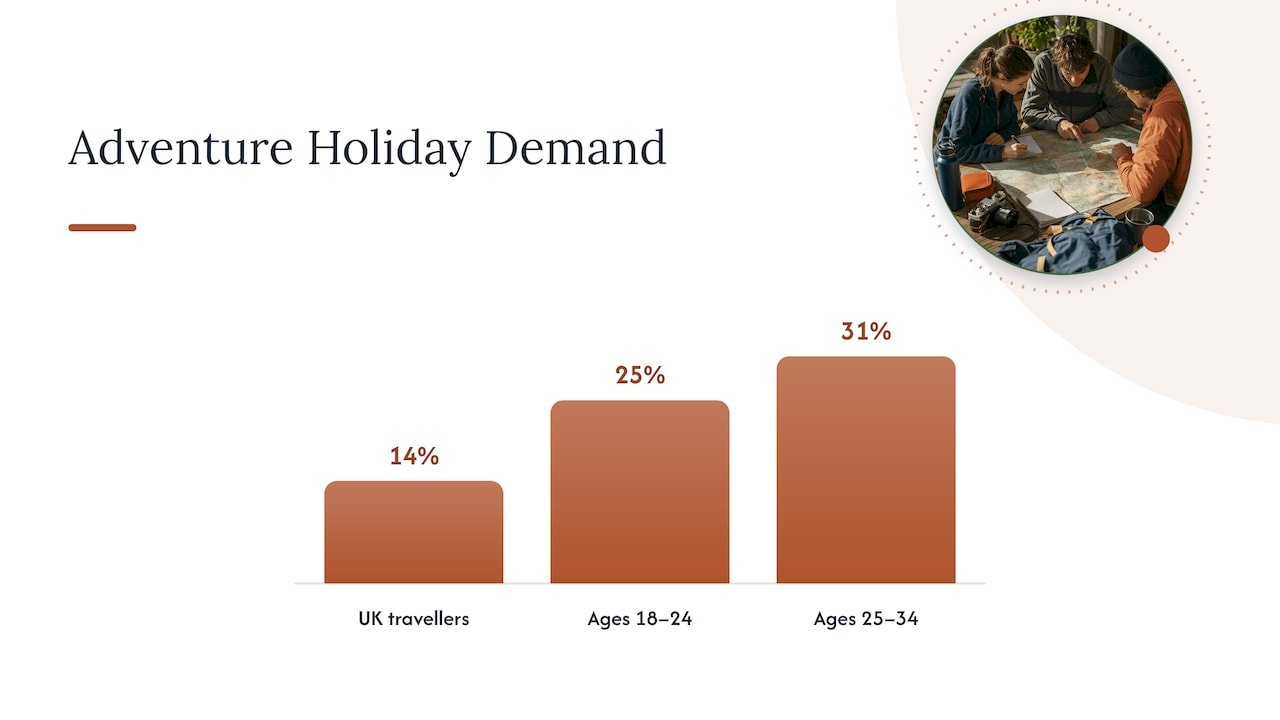
The demand data is encouraging. ABTA’s 2025 to 2026 report says 14% of UK travellers expected to take an adventure holiday in the next 12 months, rising to 25% of 18 to 24-year-olds and 31% of 25 to 34-year-olds. Younger travellers are a growing audience, and they are often reached through social media.
On value, the Association of Touring & Adventure Suppliers reported an average booking value of £4,137 in Q1 2024, up 17% year on year. Adventure is therefore not just a volume niche: the bookings are substantial.
Luxury short-haul
High-ticket does not have to mean long-haul. A homeworking business reported that luxury short-haul demand has risen, with average booking values for Turkey above £6,000 and the Canary Islands reaching £4,000 in 2024.
This suits an agent who wants a lower learning curve. Short-haul destinations are easier to know deeply, easier to visit for research, and appeal to families who want a premium holiday without a long flight. Villas, boutique hotels and private transfers all raise the booking value.
Honeymoons and destination weddings
Occasion travel is high-ticket because the budget is emotional as well as financial. Couples spend more on a once-only trip, and a destination wedding adds guest bookings, which can multiply a single enquiry into several. Agents who work in this area often describe honeymoons in Italy, Greece and the luxury Caribbean as staples, and the discussion among working agents on r/travelagents shows how many start with one niche and move on to another as they learn what sells.
The skill here is project management: timelines, supplier coordination and calm communication. Automated confirmations and follow-up help, because the sales cycle can run for months.
Culinary travel
Food-led travel is a big part of why people visit the UK and Britain. VisitBritain’s data shows dining in restaurants occurred on 25,689,000 inbound visits to England and generated £20,523 million of spend in 2024. Interest also splits by format: VisitBritain found food tours and traditional afternoon tea appealed to at least half of respondents, while hands-on cookery classes and gin trails were more specialist at 24% and 26%.
For an agent, the high-ticket version of culinary travel is a multi-day itinerary built around a region, with private tastings, winery visits and fine-dining reservations, not a single meal.

Wellness and spa travel
Wellness is smaller by volume but premium by nature. The same VisitBritain data shows visiting a spa or beauty centre occurred on 1,013,000 inbound visits to England and generated £1,718 million. Discover England research from 2019 found that wellness beyond spa was a niche interest, which suggests a clear opportunity for an advisor who can speak credibly to retreat-goers.
Sustainable and heritage travel
Sustainable travel works best as a way of designing every trip rather than a separate product. Northern Ireland’s official guidance describes it as minimising environmental and cultural impact while generating local income and employment, and distinguishes it from ecotourism, which has a narrower conservation focus. The UK government’s own recovery plan says tourism should enhance and conserve the UK’s cultural, natural and historic heritage. Layer this onto luxury or adventure and it becomes a selling point rather than a separate niche.
Golf and other hobby-led trips
A hobby niche can be very profitable because the client already knows what they want and spends freely on it. Tailor-made luxury golf trips combine courses, boutique hotels, private transfers and dining, and show how a specialist service turns an interest into a high-value itinerary. Skiing, wine, sailing and photography follow the same pattern.
How the niches compare
Use this table as a starting point. The figures are from the sources above and apply to the periods stated there.
| Niche | Evidence of value | Typical customer | Main skill |
|---|---|---|---|
| Expedition cruise | 90% of bookings excluding flights priced at £6,000 | Experienced, affluent traveller | Itinerary and ship knowledge |
| Luxury and ultra-luxury | Over 50 trips a year above £100,000 at one operator | High-net-worth, time-poor | Personal service, supplier access |
| Touring and adventure | £4,137 average booking, Q1 2024 | Active travellers, strong under-35 interest | Safety and logistics |
| Luxury short-haul | Turkey above £6,000, Canaries £4,000 (2024) | Families, couples | Hotel and villa knowledge |
| Honeymoons and weddings | Group bookings multiply the value | Couples and wedding parties | Project management |
| Culinary | Large inbound dining spend | Food enthusiasts | Local contacts |
| Wellness | £1,718 million inbound spa spend (2024) | Retreat and spa goers | Credibility in the field |
How to choose your niche
Do not choose the niche with the biggest headline number. Choose the one you can win. Work through these four questions.
- Who can you reach already? Your existing contacts, followers or customers are your fastest first clients. A hospitality owner already speaks to guests, and a creator already speaks to an audience.
- What do you know better than most people? Travel Weekly reports that specialist knowledge helps agents build a reputation and a loyal client base. One accessible-travel agent listens to clients’ needs and checks accessibility details directly with suppliers, a good model for any niche.
- What is the commission structure? Rates vary by product. A higher rate on a lower-priced product can earn less than a modest rate on an expensive one, so work out your take per booking, not per percentage point.
- Can you source it at good rates? Access to hotels, cruises, tours, villas and rail through wholesale channels decides your margin.
Start with one niche and one client type. You can add a second once the first produces repeat bookings. Our guide to building a client list in 48 hours covers the first step, and the seven-stage approach to selling travel covers fit-first selling.
Perspective
We built TimesHunters around one belief: the money in a high-ticket niche should go mainly to the person who earns the client’s trust. When a booking is worth thousands of pounds, the gap between a 4% online agency rate and the 70% commission we offer partners is not a footnote, it is the business model.
That is why our partners keep their own brand, their own client relationships and their own autonomy. The licence branding is invisible to end clients, so the person they remember is you. One partner testimonial describes a move from £400 to £1,200 per booking, which is what happens when specialist advice meets better commission and wholesale access.
Our advice is to pick a niche where your name already carries weight, then let the infrastructure handle the rest: ATOL-protected licences, a branded booking site, instant pricing proposals, managed payments and automated client follow-up. You should spend your time with clients, not on paperwork.
Sam
What to check before you sell high-ticket trips
High-value bookings mean high-value obligations. Before you sell, check the following with the relevant regulator or a qualified adviser.
Package travel rules. Businesses organising packages must comply with the Package Travel Regulations 2018 and have insolvency protection, and marketing and prices must be accurate and not misleading, according to a UK compliance checklist.
ATOL. The same checklist states that sellers of flight-inclusive package holidays or flight-only arrangements as a principal, or as an agent for an undisclosed principal, need an ATOL licence and pay £2.50 per licensable passenger booked. This is the regulatory step that stops many first-time entrepreneurs, and it is why we operate under ATOL-protected licences.
Upcoming changes. The Package Travel and Linked Travel Arrangements (Amendment) Regulations 2026 commence on 6 April 2027. They amend package definitions and set a 14-day period for refunds of cancelled services. Our summary of the package travel changes for sellers explains what to prepare, and our note on client money protection covers how client funds are handled.
Start your own branded travel business
If you have chosen a niche and want to sell it under your own name, our white-label platform gives you the structure without the licensing burden. You get a branded booking site, wholesale access to hotels, cruises, tours, villas, safari camps and rail, instant pricing proposals, managed payments and automated client follow-up. Partners receive 70% of the commission on each booking, with a 30% split retained by us, and there is no cost to start.
See how it works on our white-label travel agency page, or read about our training for UK agents if you are starting from scratch. Creators with an audience can start with our guide to monetising a travel audience.
FAQ
What is the most profitable travel niche?
There is no single answer, because profit depends on booking value, commission and how well you know the niche. Expedition cruise, luxury and touring have strong booking values in UK trade reports. The most profitable niche for you is the one where you have both an audience and real expertise.
How much commission can you earn in a high-ticket niche?
It depends on the product and your model. Trade professionals can earn 20% on expedition cruise sales, which is £1,200 on a £6,000 booking. With our platform, partners receive 70% of the commission on each booking, so your net depends on the supplier commission the booking generates.
Do I need an ATOL licence to sell holidays in the UK?
If you sell flight-inclusive packages, or flight-only arrangements as a principal or as an agent for an undisclosed principal, you need one. Our partners trade under ATOL-protected licences held by the Times Travel group. For your own situation, check with the Civil Aviation Authority or a qualified adviser.
Can I combine two niches?
Yes, once the first is working. Luxury combines well with culinary, wellness or sustainable travel, because the second becomes a feature of the first. Start with one clear message so clients know exactly what you are known for.
Sources
- Trade can earn up to £1,200 in commission on expedition cruises (TTG)
- The seven habits of high-net-worth clients (TTG)
- High-value bookings on the rise (Aspire)
- How a Gold Travel Counsellor introduced fees (TTG)
- Tourism | nibusinessinfo.co.uk
- Holiday Habits 2025/26 (ABTA)
- Agents seize touring and adventure momentum (Travel Weekly)
- Homeworking business reports rise in short-haul luxury
- Activities and experiences (VisitBritain)
- Interest in holiday activities in Britain (VisitBritain)
- Discover England Fund research (VisitBritain)
- The Tourism Recovery Plan (UK Government)
- How to specialise in one area of travel (Travel Weekly)
- Travel and tour operator compliance checklist
- The Package Travel and Linked Travel Arrangements (Amendment) Regulations 2026
- r/travelagents discussion